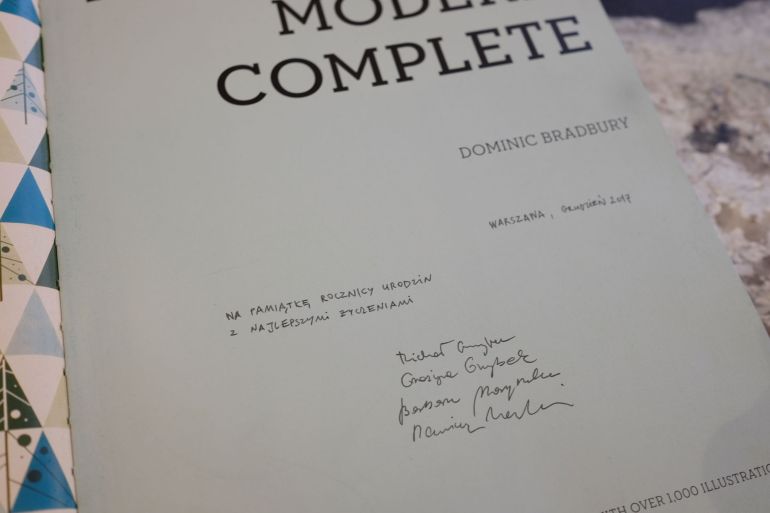
For my 40th birthday last year I was given the book Mid-Century Modern by Dominic Bradbury. I was intrigued by an essay in the book by modernist-preservation expert Michael Boyle, in which he wrote about renovations of modernist residences.
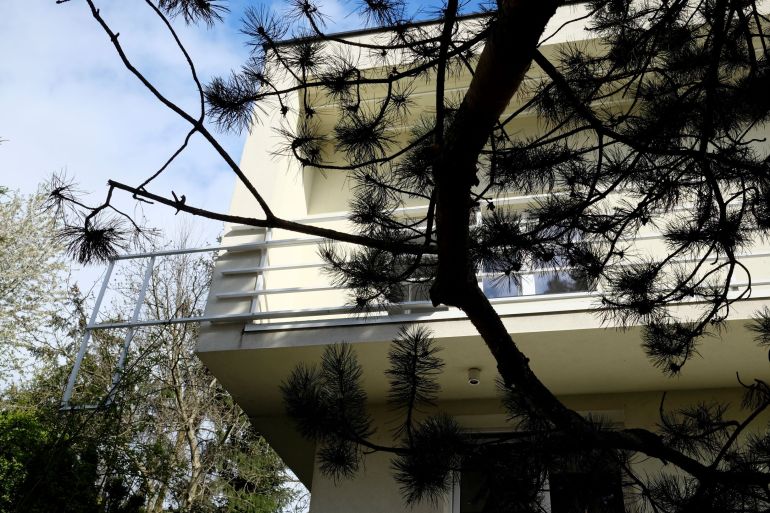
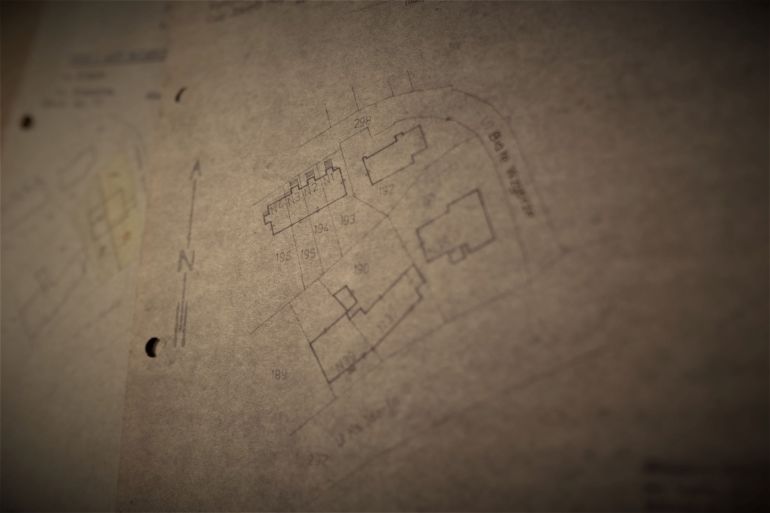
Boyle compared that process to cultivating lore, creating a new narrative which, particularly in the case of non-listed modernist residential buildings with no museum like status, may be freely pushed back to the original concept, even when the original design has not been fully completed. The essay is illustrated by examples of iconic, award-winning, mid-century modern house renovations and this inspired me to undertake a renovation of my own family house. The house was constructed in the 1970’s in the modernist style of nearby residential estate houses that were designed in 1960 by visionary local architect Roman Bezeg and constituted a direct augmentation of the estate’s concept. Unfortunately I have been unable to find out the name of the designer of the family house.


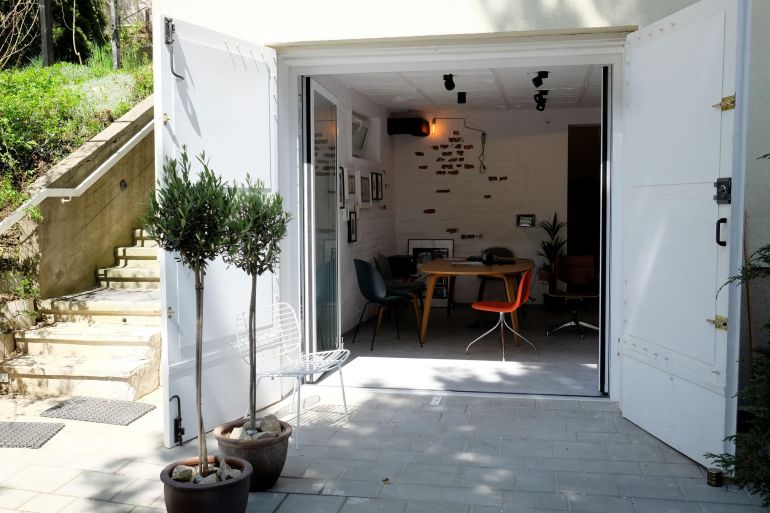

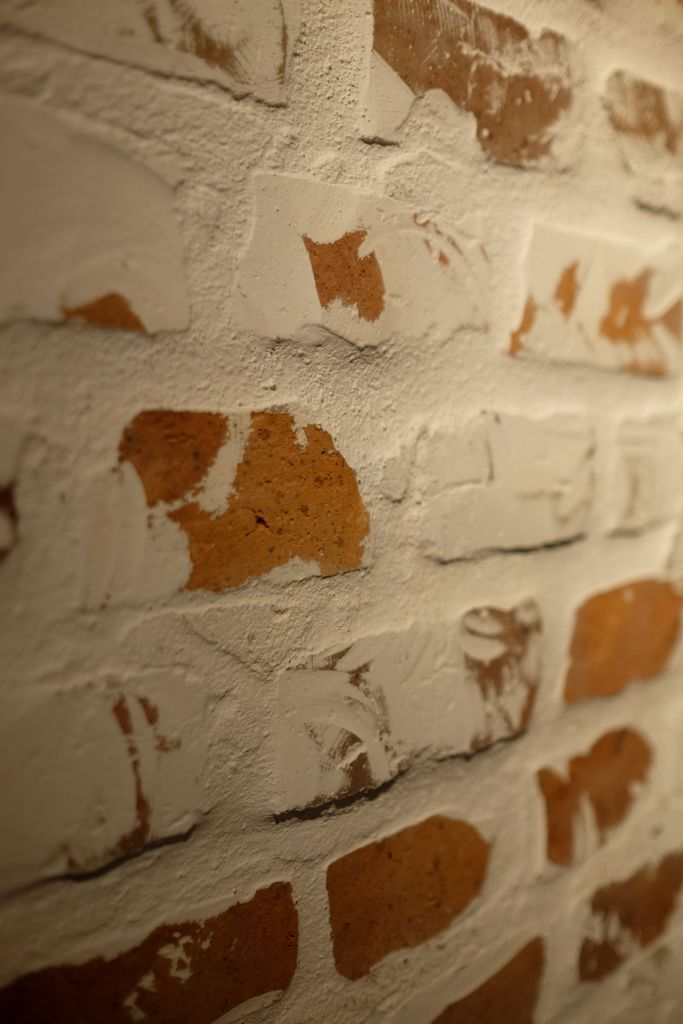
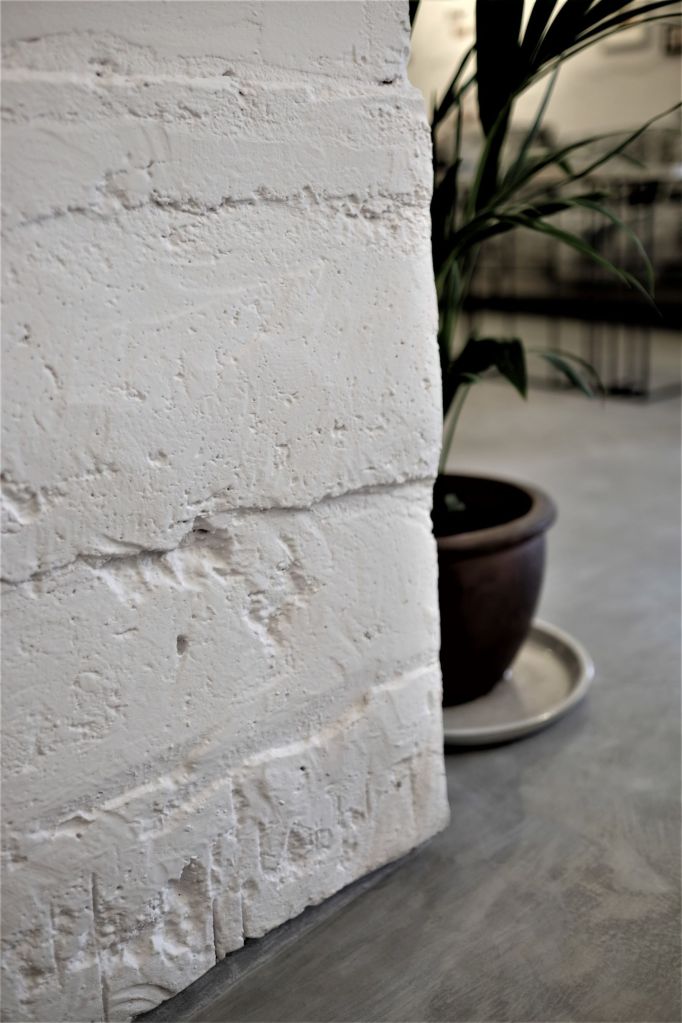
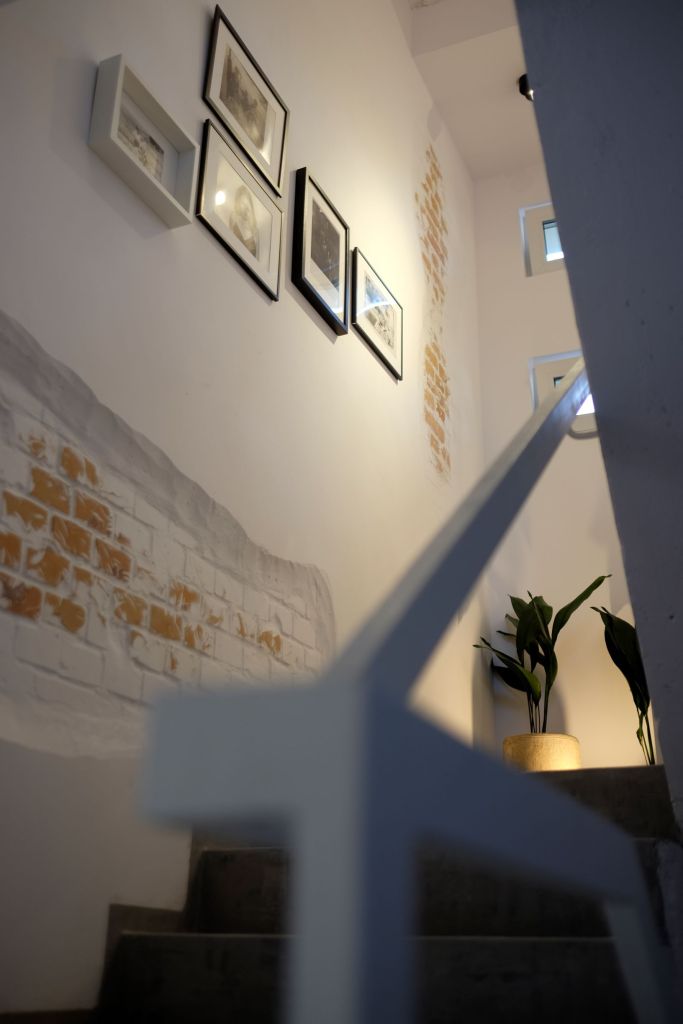
Before the house was erected an original pre-war house on the site was demolished. Parts of the old stone foundations of the original house were used for the new building. The pre-war house didn’t vanish completely however, as the majority of its bricks were reused to erect the ground floor of the new house. During my renovation these have been exposed. I have also partially exposed the original foundations both inside and outside of the house to highlight that heritage – as a palimpsest of the house’s history.


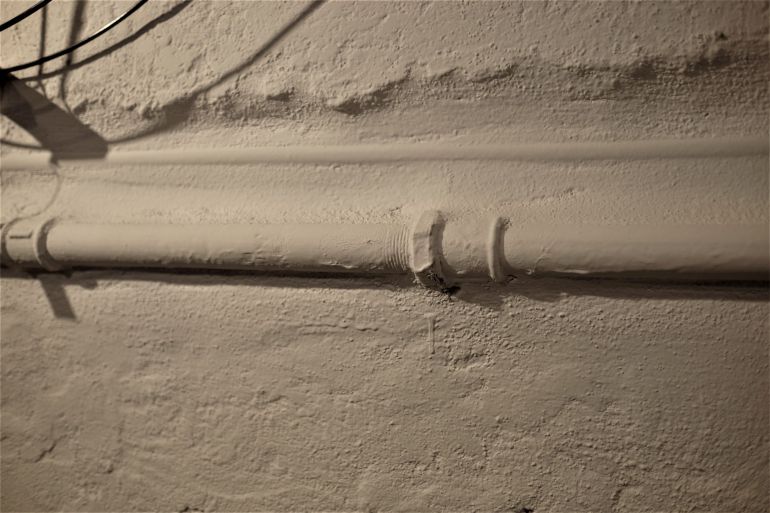
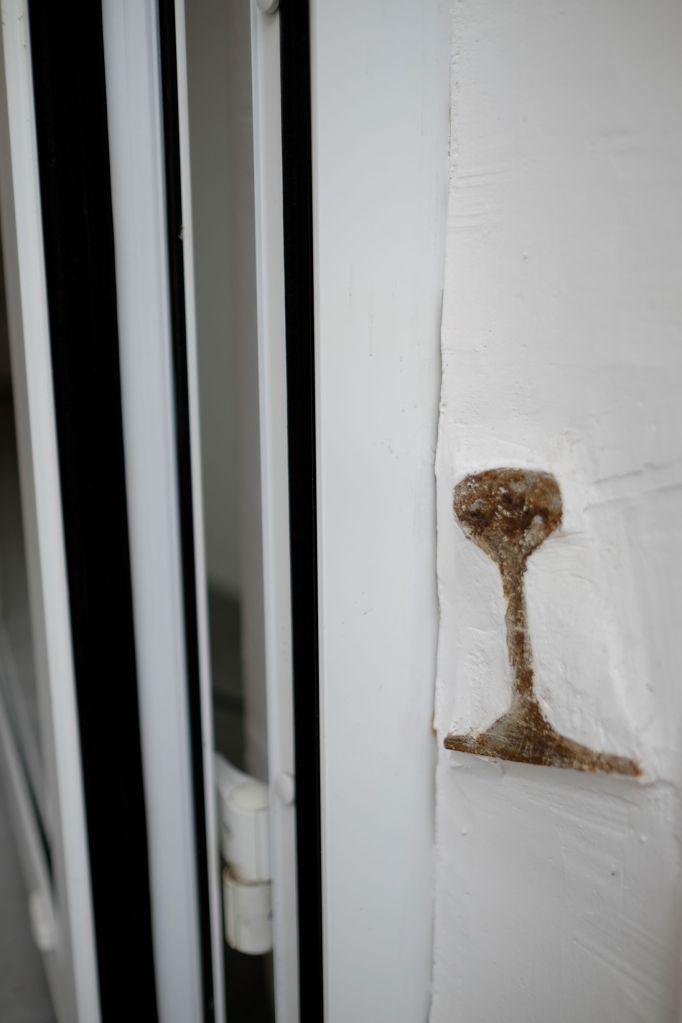
Erecting a new house in 1970s Poland wasn’t easy. Due to shortages of building materials builders had to utilize whatever they could get hold of. An example being street tram rails which I discovered and partially exposed in the foundation work. At various times since the house was built in the 70’s the services were up-dated and some of the redundant steel piping etc was left in the walls. I have uncovered these in some places and left them exposed.
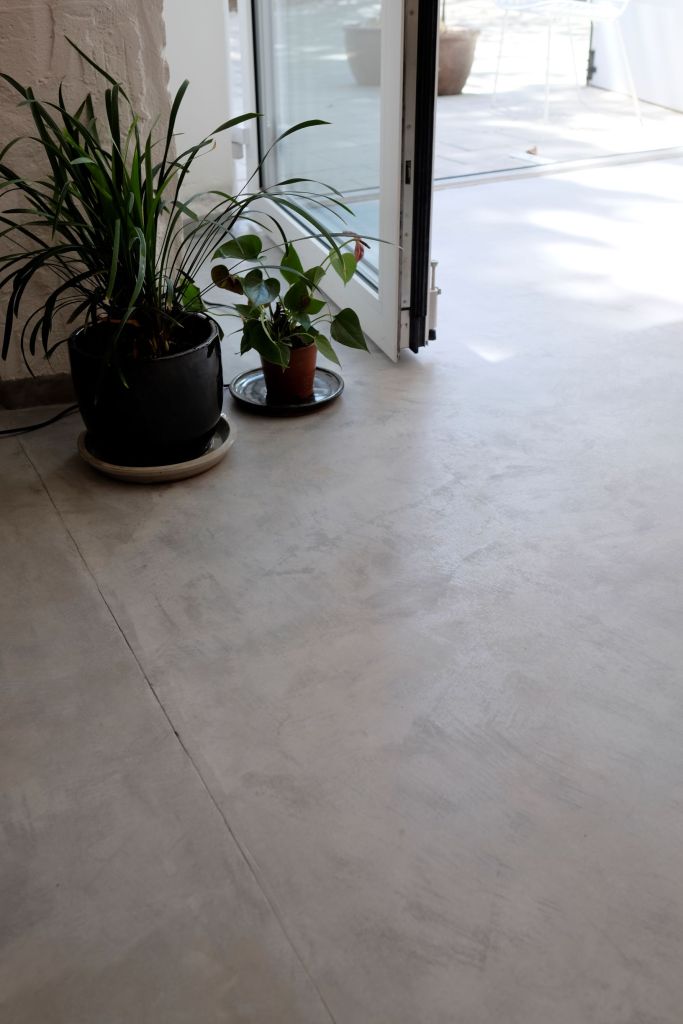
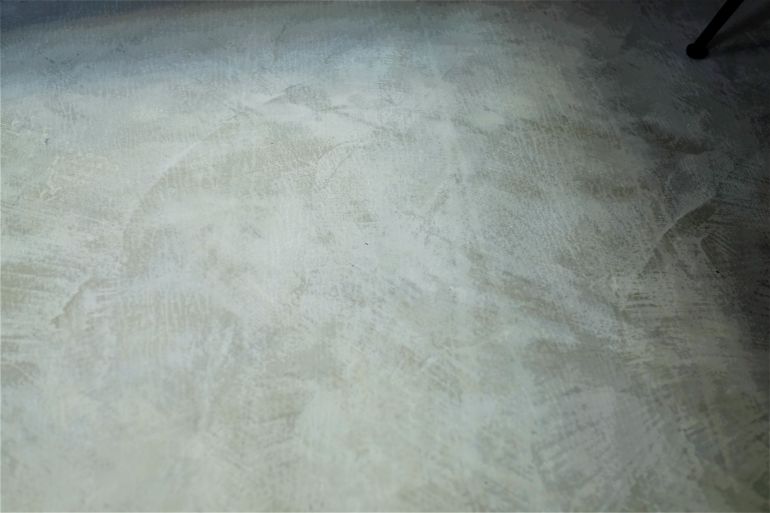
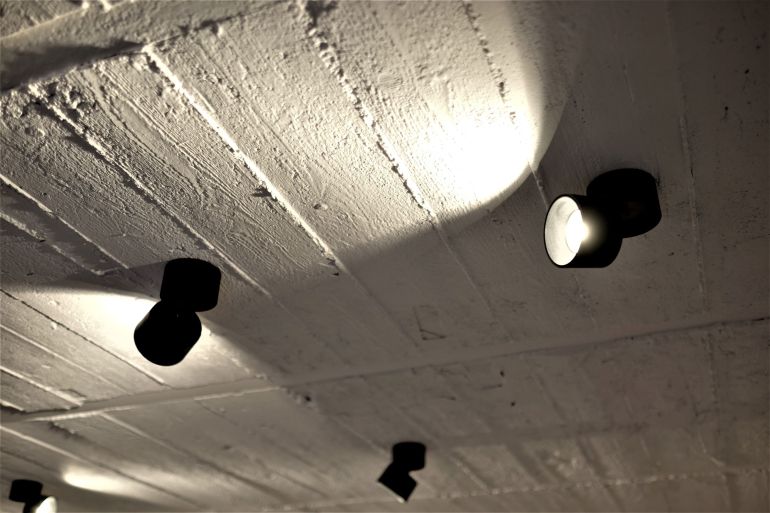
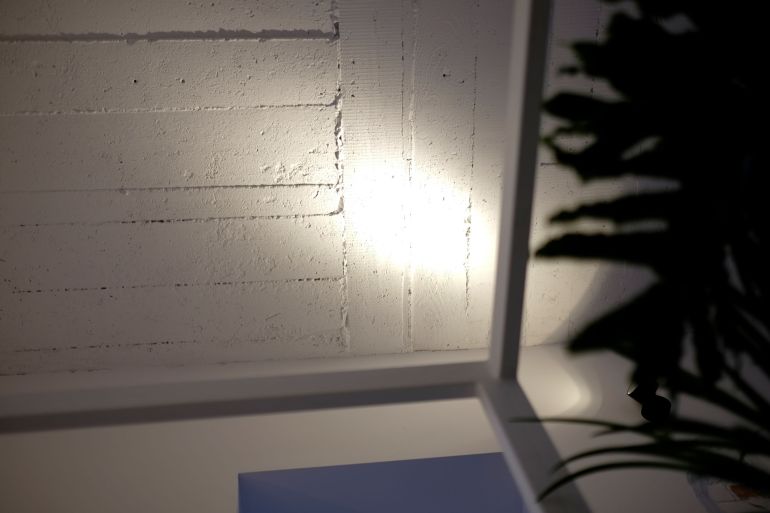
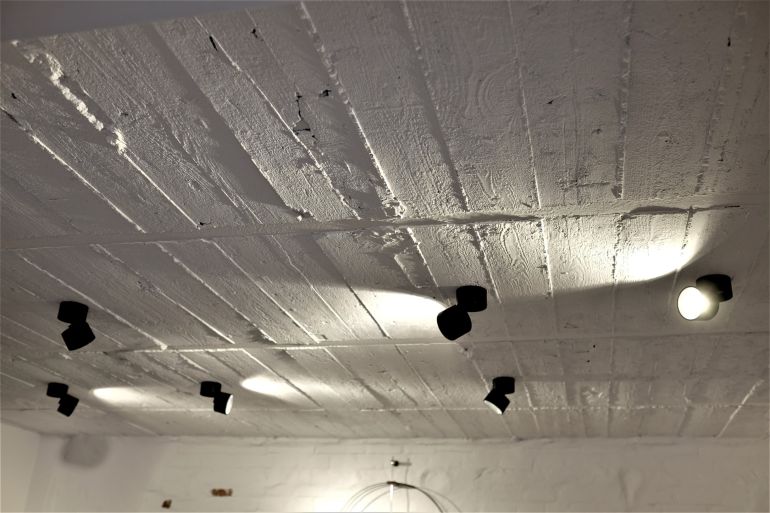
This harsh aesthetic, and that of the exposed raw construction of the ceilings, is balanced by the polished concrete flooring..

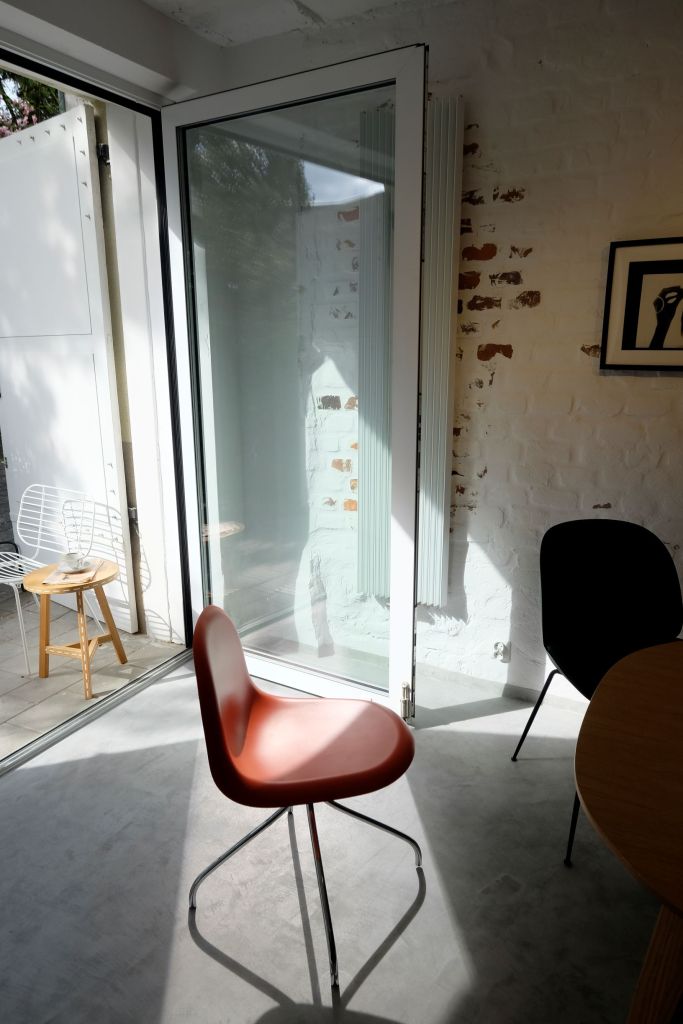

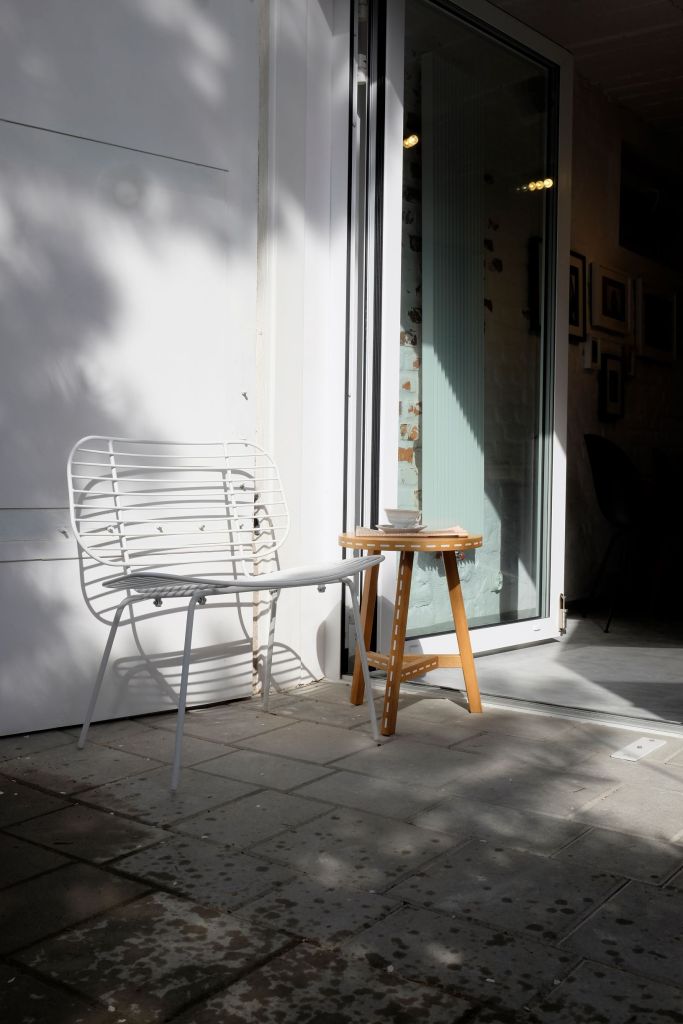
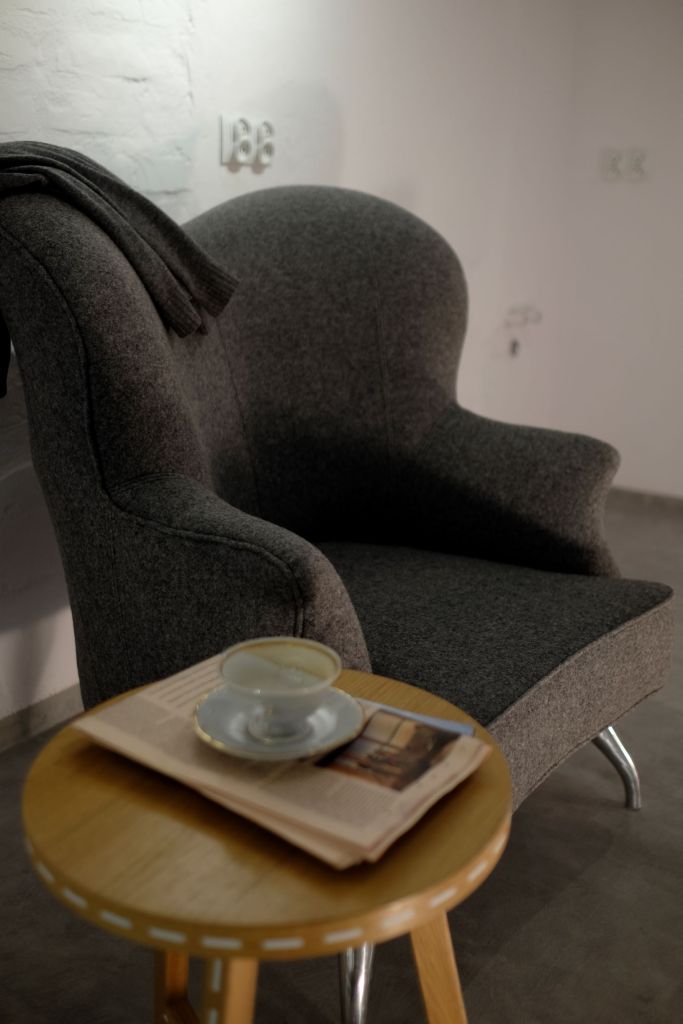
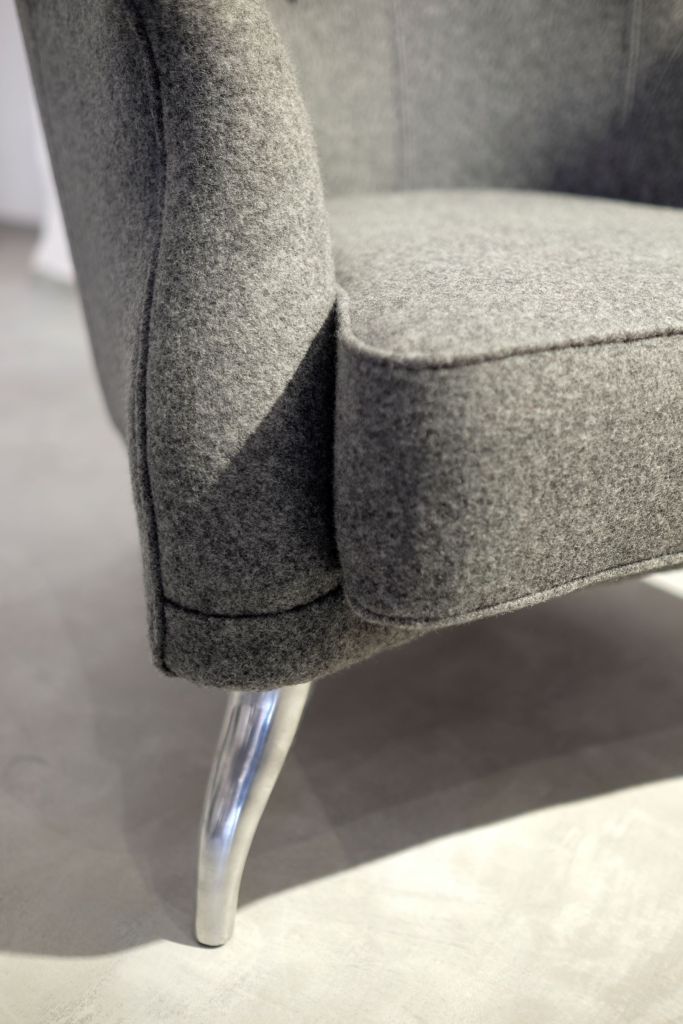
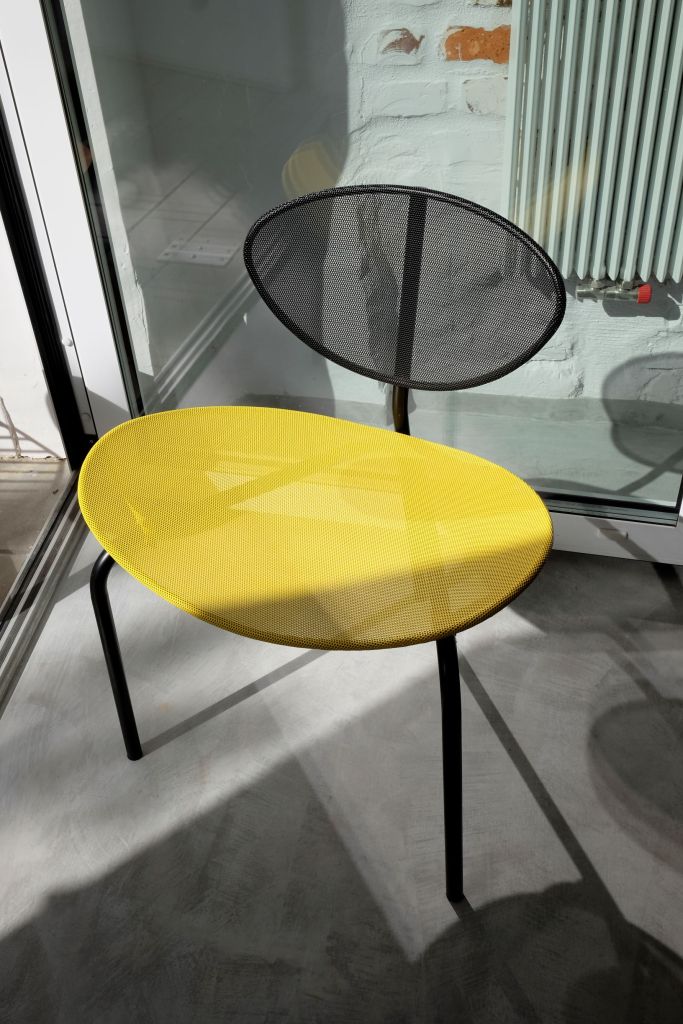
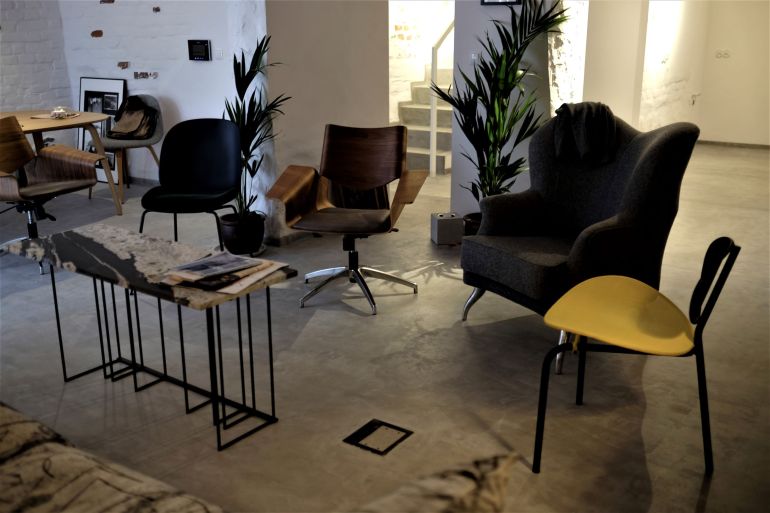
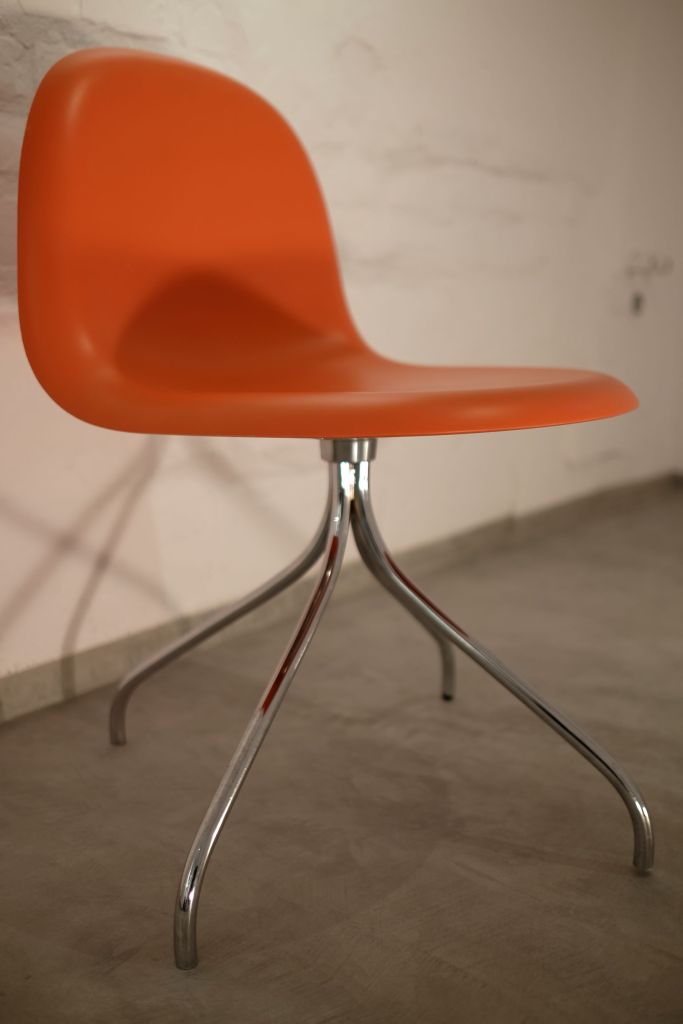
Items of furniture and furnishings that I have used to complement the new spaces created on the ground floor are mainly from Danish design house Gubi, including a Bonaparte Lounge Chair designed by Gubi Olsen himself, and my favourite piece, a Nagasaki Chair designed in 1954 by Mathieu Mategot and introduced to the public in the same year as the famous Ant Chair by Arne Jacobsen. This furniture embodies the spirit of the design period in which the house is embedded.
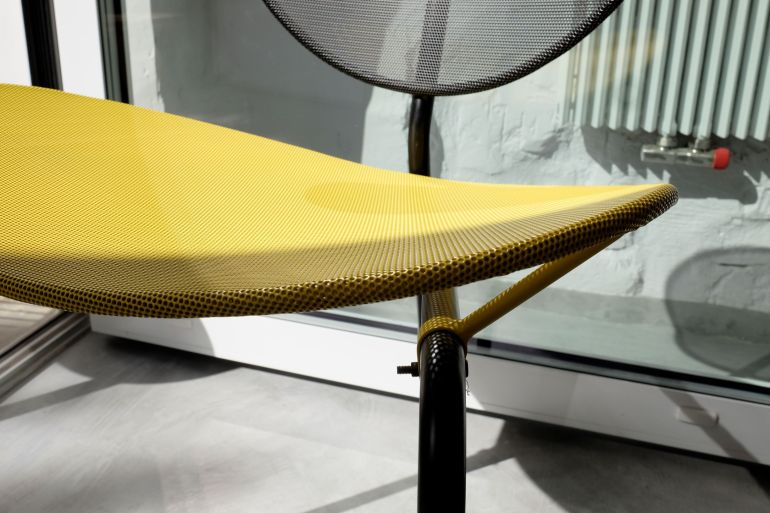
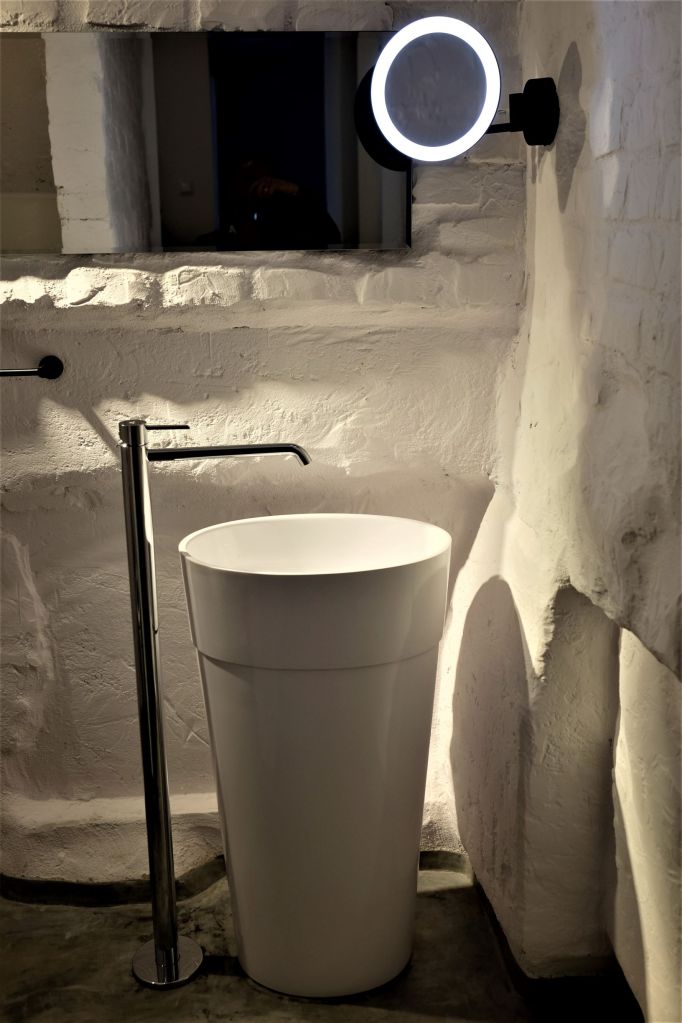
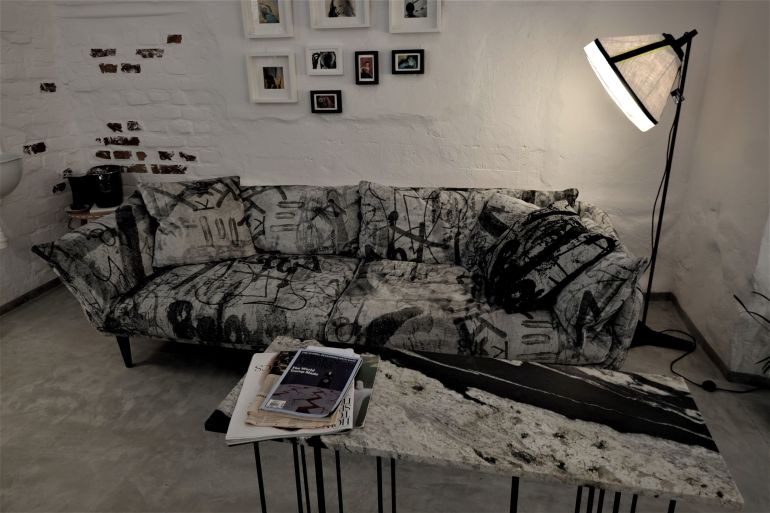
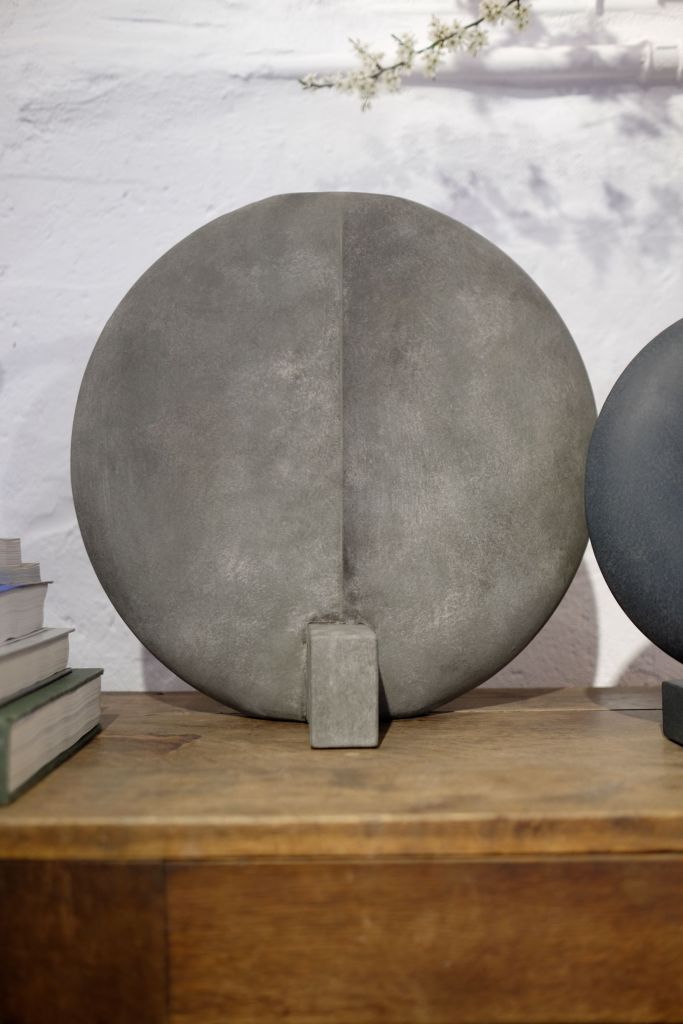
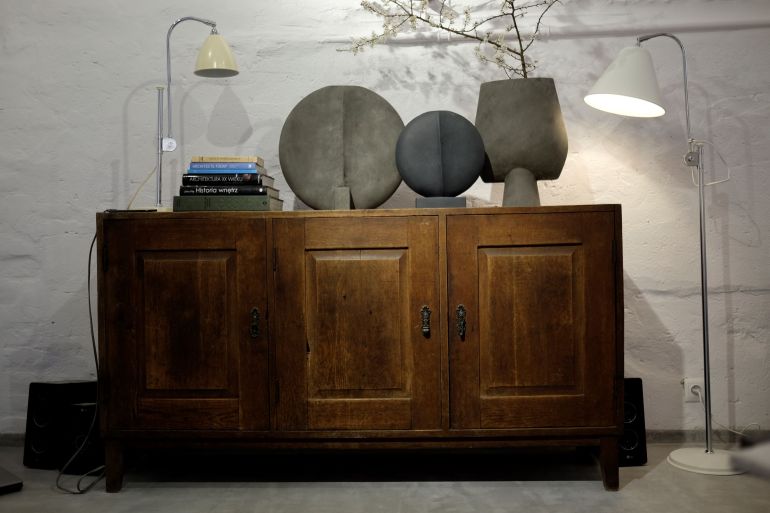
Other items of furniture and furnishings that I have used to complement the new spaces created on the ground floor, and that are also within the spirit of Gubi House, include: a curvilinear dining table designed in 2013 by komplotstudio.pt, with a selection of beetle chairs designed a year earlier by gamfratesi.com; a coffee corner complete with a set of Diesel furniture; an original 1920s cast-iron sink and a bespoke, stone-topped coffee table; a wooden vernacular piece from the 1930’s; iconic Robert Dudley Best ‘Churchillian’ BL lamps; contemporary pieces of sculptural ceramics by 101 Copenhagen and a contemporary nomon.es clock, chosen to highlight the rough textured surface of the walls at it hangs on. Adjacent to the staircase a collection of plants and concrete Q lamps by Davide Groppi, complement the stair’s clean lined, white handrail.

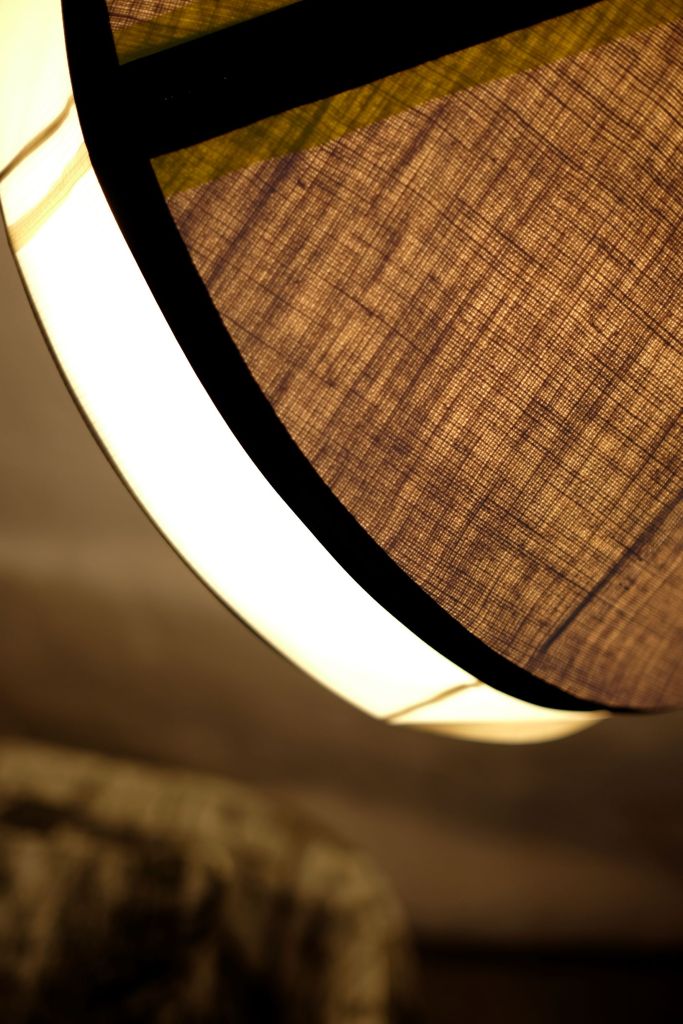
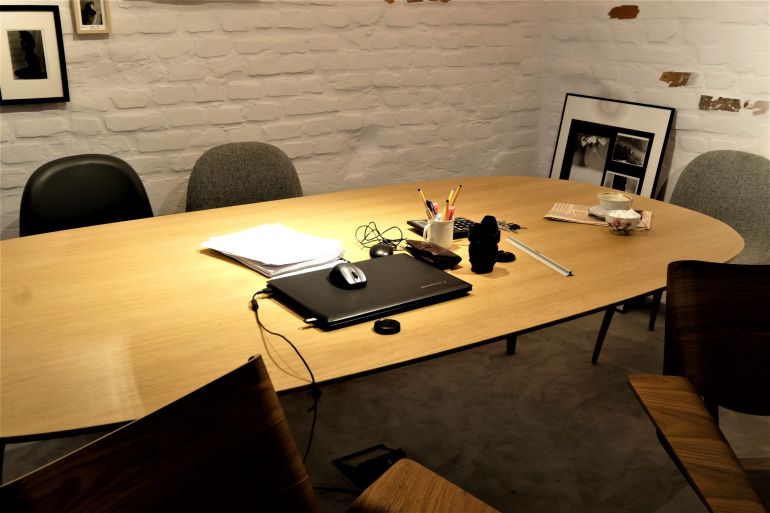

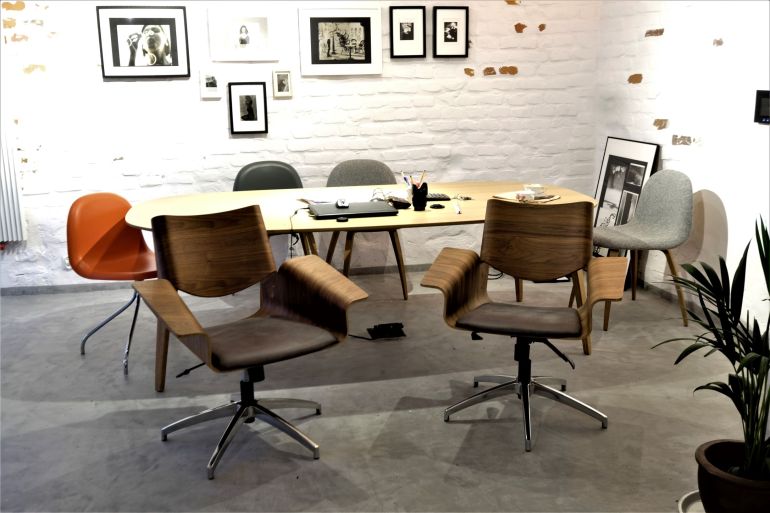

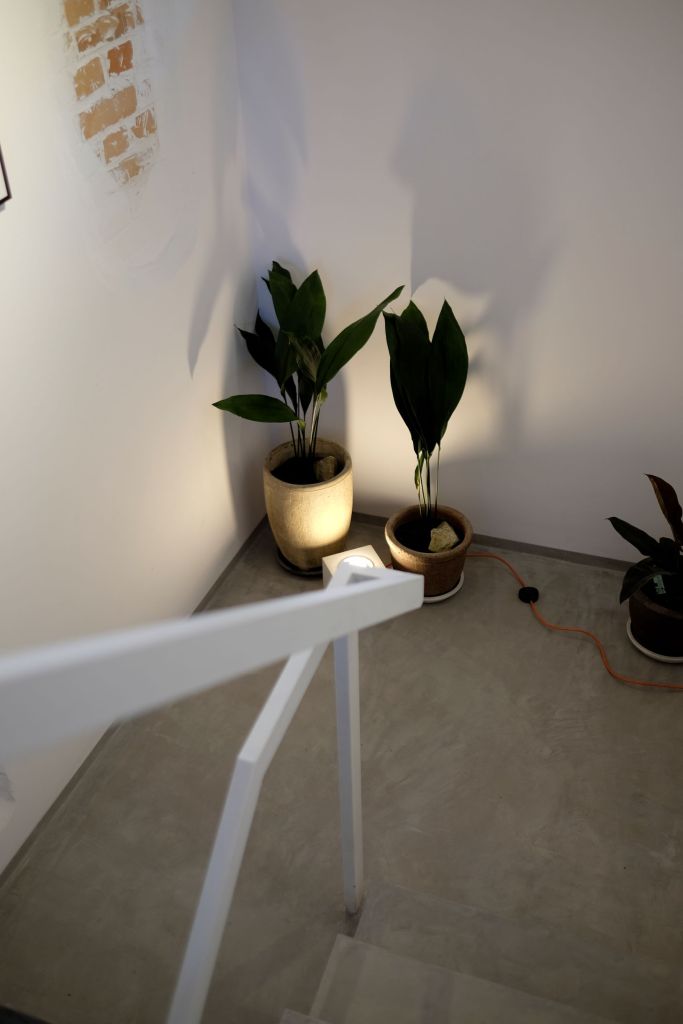

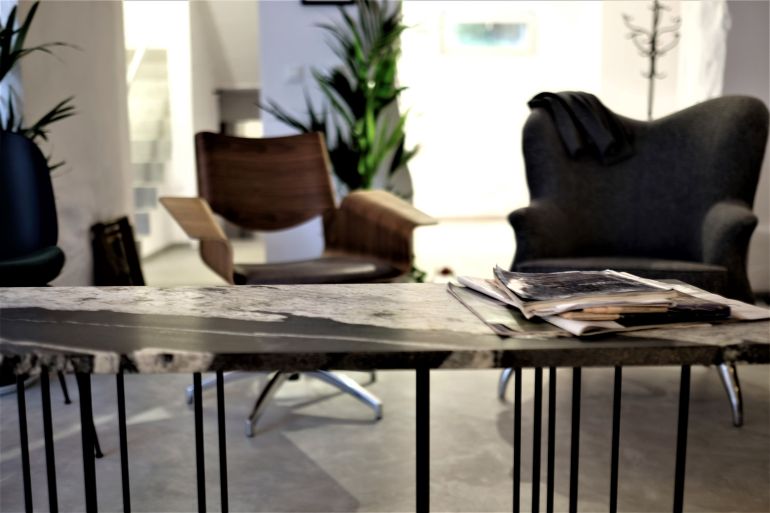
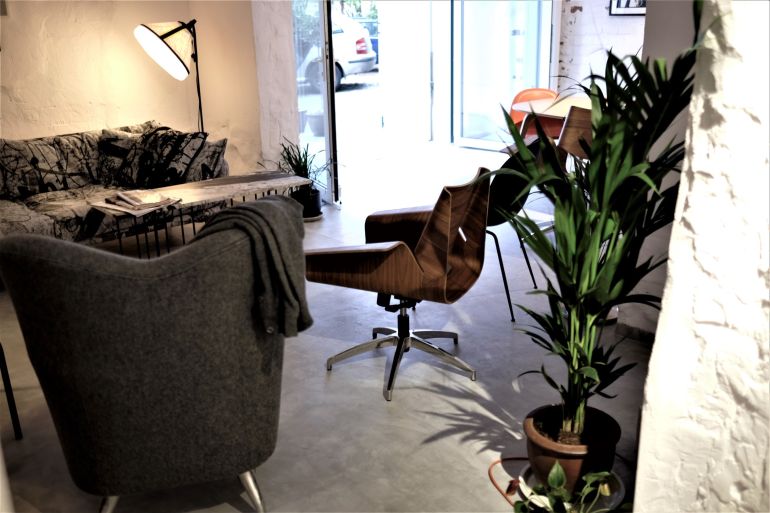
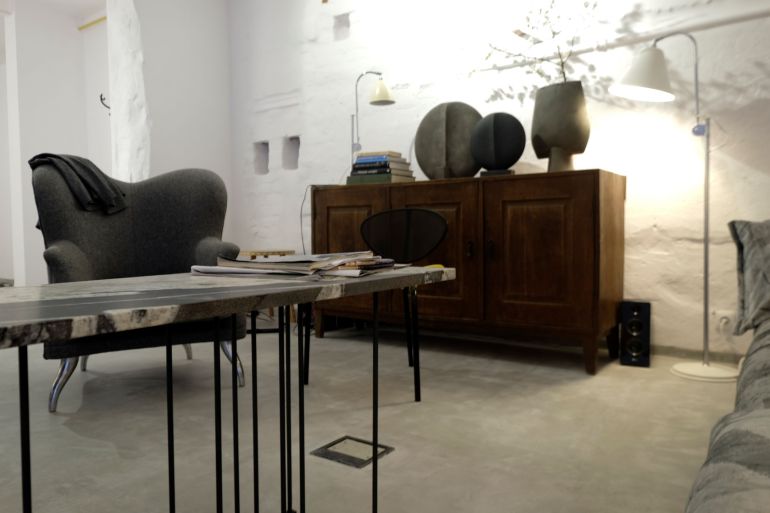

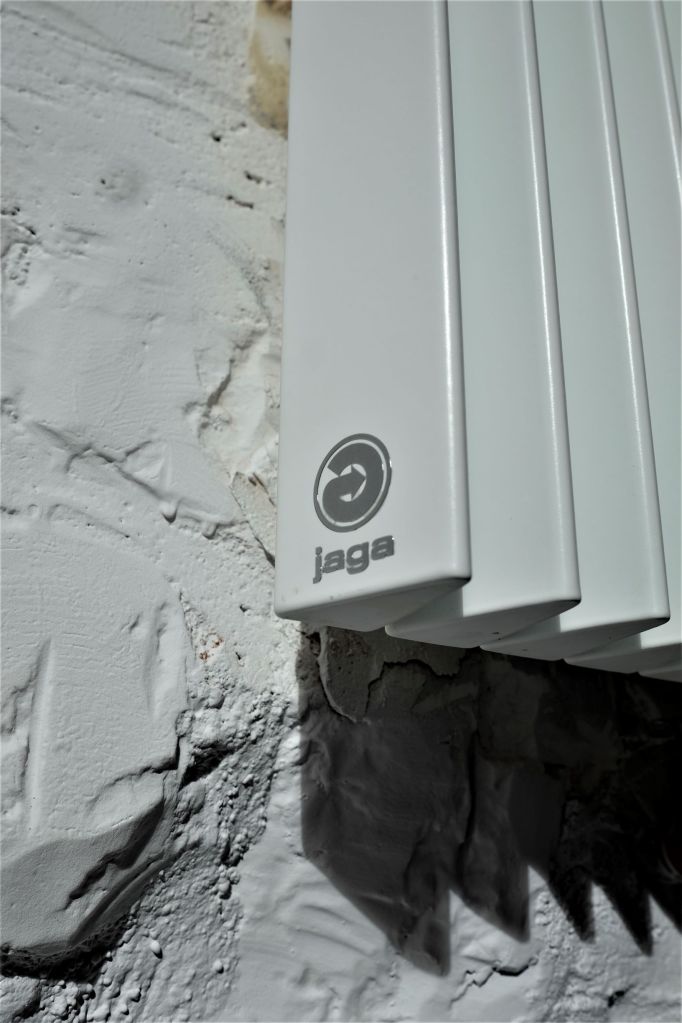
There is underfloor heating in the ground floor rooms and adjacent to the stairs, two wall mounted white coloured, steel, Jaga Iquana Aplano heaters. The exposed brick walls highlight their chunky look


A set of photographs by my gifted sister, also hang on the walls. You can check out her work at agatakramarz.pl


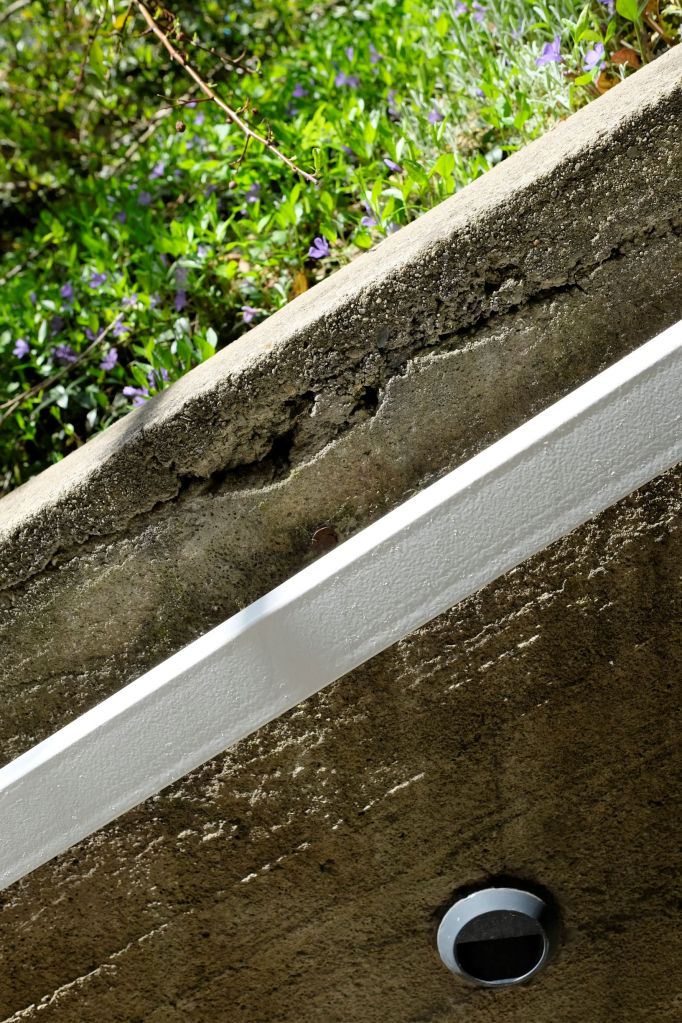
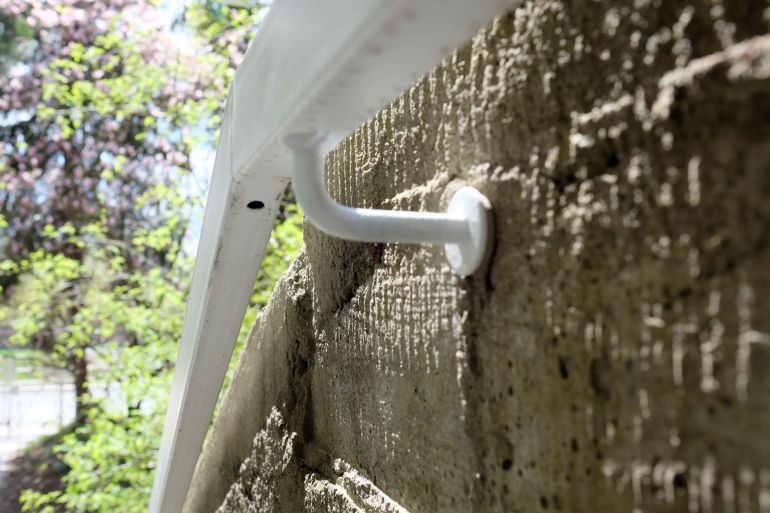
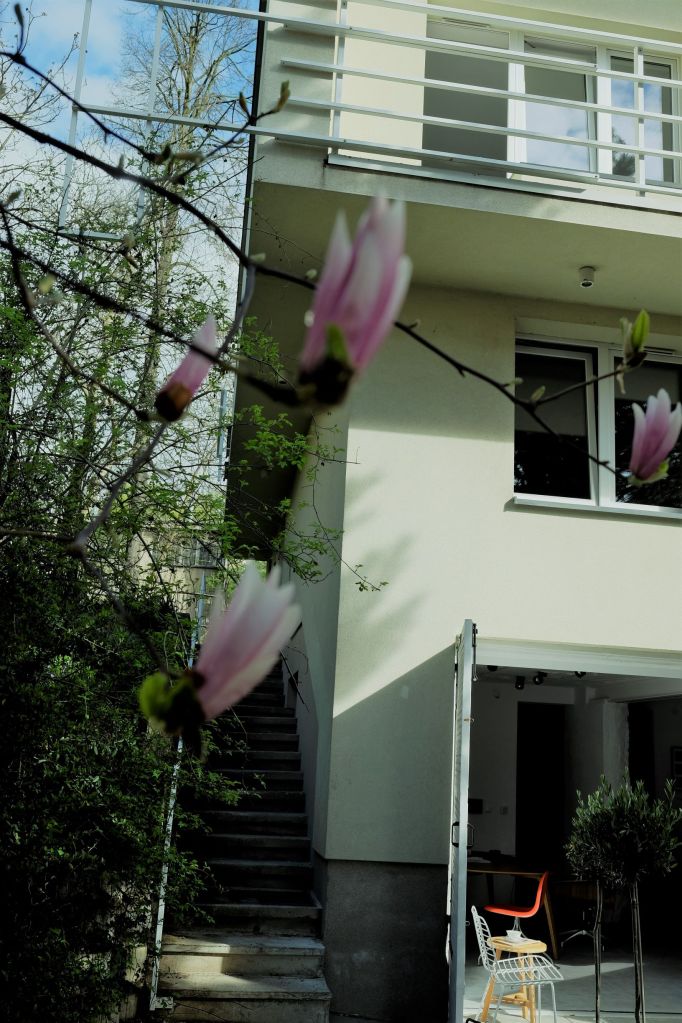
In referencing the modernist roots of the house on the exterior I have added some simple fabricated steel components such as galvanized white-coated gates and railings.


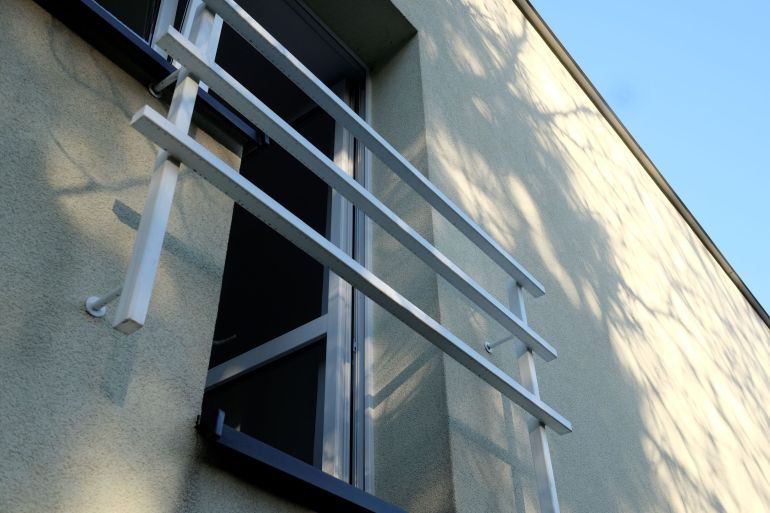


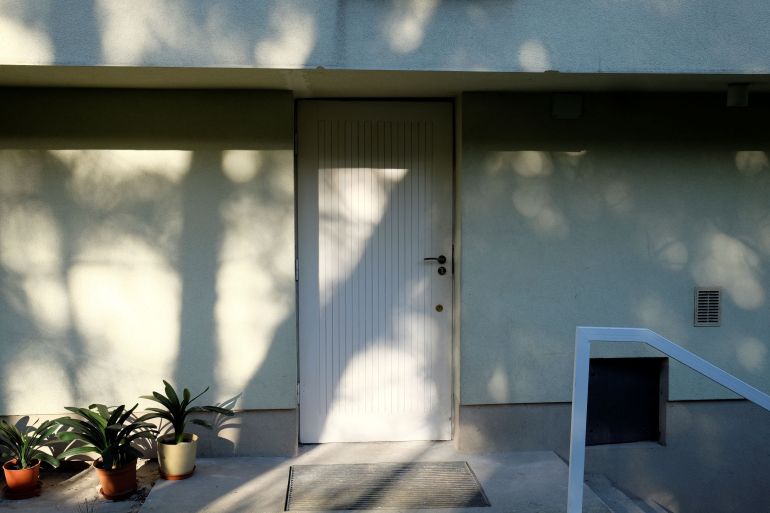
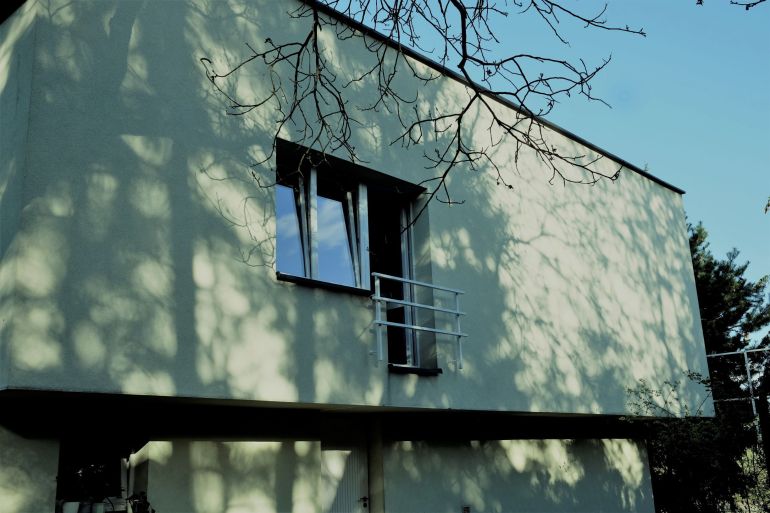
The facade of the house is painted green as a conceptual tribute to architect Robert Venturi, whose work I greatly admire. Venturi coloured his mother’s iconic house green, opposing Marcel Breuer’s view that a building should never be painted green! (although Marcel Breuer himself, the designer of pure white masterpieces like the Stillman house, reportedly moved to a colourful period house in his retirement, which is I believe, proof that architecture is an evolving living concept and may be the subject of fun and play!)
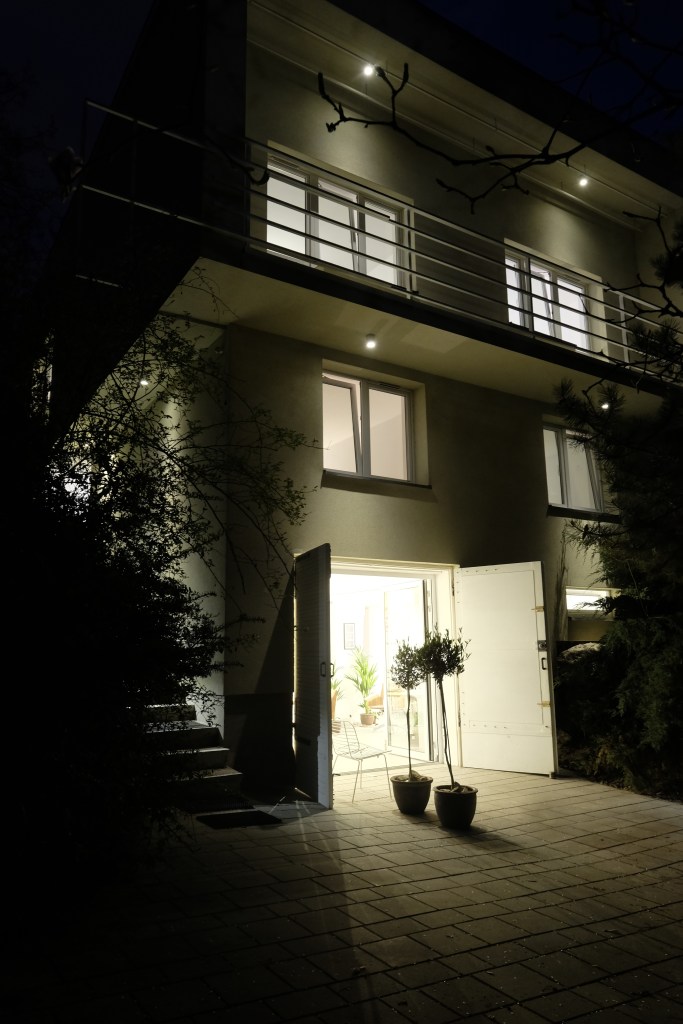
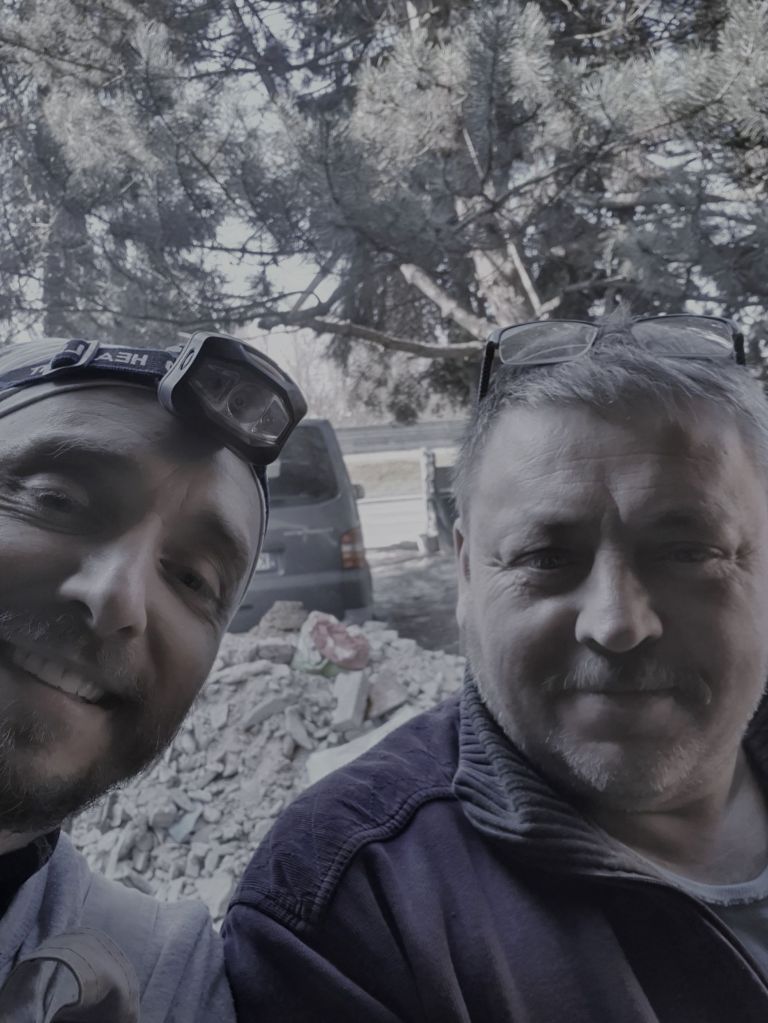
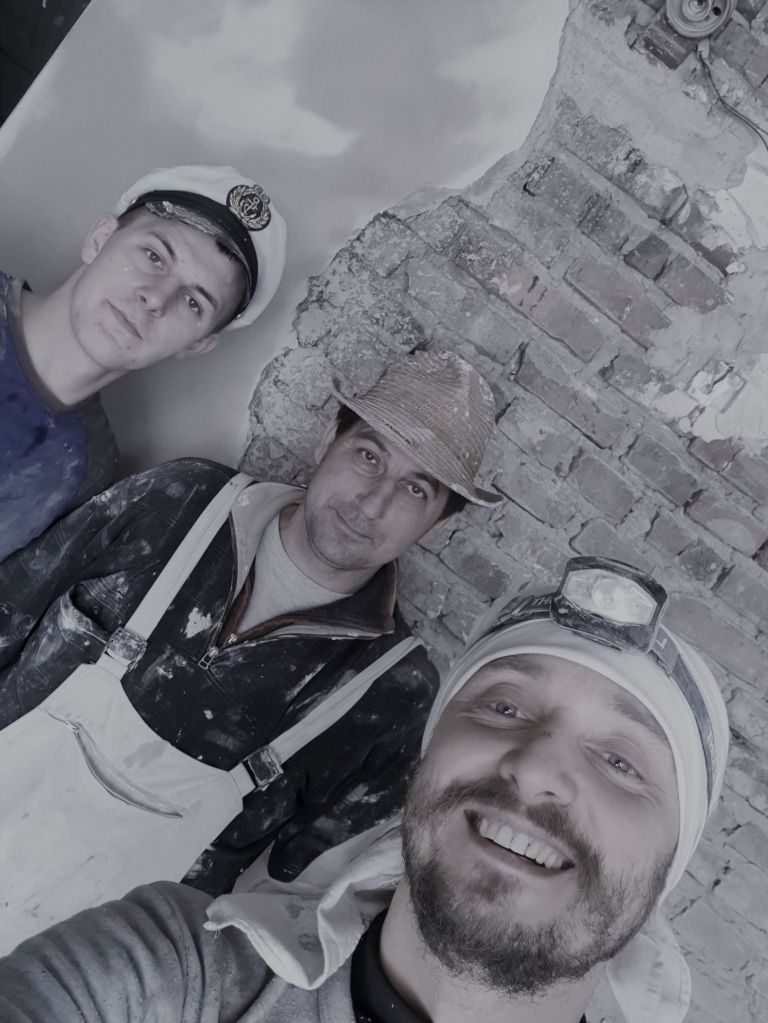
I would like to thank all my colleagues who, throughout the period of the pandemic, have worked with me patiently and skillfully. Thanks to Marek Hanusiak for his civil engineering input, Mirek for every bit of plumbing including the well-performing underfloor heating, Kuba, Kostek, the talented engineer from Belarus, Tomek for working so hard on the earthworks, the Wrobel gang for their stunning plastering, Mr. Gajek for the beautiful wooden doors and Wojtek Szulc for the staircase alignments and flooring and the biggest thanks of all to Mr. Mastela, the owner of Aluglas Company for the beautifully done steel components. I could not have done it without your support and hard work! Hope to work with you all again on the next project!




Leave a Reply